
| Seq Q32T1, Lesen, Mittelwert | |
| ASUS XG-C100C (PCIe 2.0 x4) AMD-System | 958,40 |
| Intel X540-T2 (PCIe 2.1 x8) AMD-System | 1.121,40 |
| Intel X540-T2 (PCIe 2.1 x8) Intel-System | 1.237,60 |
| ASUS XG-C100C (PCIe 2.0 x4) Intel-System | 1.242,10 |
| Angaben in MB/sec (mehr ist besser) | |
| Seq Q32T1, Schreiben, Mittelwert | |
| ASUS XG-C100C (PCIe 2.0 x4) Intel-System | 796,70 |
| Intel X540-T2 (PCIe 2.1 x8) Intel-System | 953,90 |
| Intel X540-T2 (PCIe 2.1 x8) AMD-System | 1.237,00 |
| ASUS XG-C100C (PCIe 2.0 x4) AMD-System | 1.241,50 |
| Angaben in MB/sec (mehr ist besser) | |
| 4 KiB Q8T8, Lesen, Mittelwert | |
| ASUS XG-C100C (PCIe 2.0 x4) Intel-System | 274,10 |
| ASUS XG-C100C (PCIe 2.0 x4) AMD-System | 288,80 |
| Intel X540-T2 (PCIe 2.1 x8) AMD-System | 310,70 |
| Intel X540-T2 (PCIe 2.1 x8) Intel-System | 339,80 |
| Angaben in MB/sec (mehr ist besser) | |
| 4 KiB Q8T8, Schreiben, Mittelwert | |
| ASUS XG-C100C (PCIe 2.0 x4) Intel-System | 184,90 |
| Intel X540-T2 (PCIe 2.1 x8) Intel-System | 325,60 |
| Intel X540-T2 (PCIe 2.1 x8) AMD-System | 349,80 |
| ASUS XG-C100C (PCIe 2.0 x4) AMD-System | 418,10 |
| Angaben in MB/sec (mehr ist besser) | |
| 4 KiB Q32T1, Lesen, Mittelwert | |
| ASUS XG-C100C (PCIe 2.0 x4) AMD-System | 118,70 |
| Intel X540-T2 (PCIe 2.1 x8) AMD-System | 130,10 |
| ASUS XG-C100C (PCIe 2.0 x4) Intel-System | 183,50 |
| Intel X540-T2 (PCIe 2.1 x8) Intel-System | 205,10 |
| Angaben in MB/sec (mehr ist besser) | |
| 4 KiB Q32T1, Schreiben, Mittelwert | |
| ASUS XG-C100C (PCIe 2.0 x4) AMD-System | 111,60 |
| Intel X540-T2 (PCIe 2.1 x8) AMD-System | 116,80 |
| ASUS XG-C100C (PCIe 2.0 x4) Intel-System | 167,50 |
| Intel X540-T2 (PCIe 2.1 x8) Intel-System | 205,50 |
| Angaben in MB/sec (mehr ist besser) | |
| 4 KiB Q1T1, Lesen, Mittelwert | |
| ASUS XG-C100C (PCIe 2.0 x4) Intel-System | 7,60 |
| Intel X540-T2 (PCIe 2.1 x8) AMD-System | 8,72 |
| ASUS XG-C100C (PCIe 2.0 x4) AMD-System | 9,27 |
| Intel X540-T2 (PCIe 2.1 x8) Intel-System | 9,37 |
| Angaben in MB/sec (mehr ist besser) | |
| 4 KiB Q1T1, Schreiben, Mittelwert | |
| ASUS XG-C100C (PCIe 2.0 x4) Intel-System | 7,51 |
| Intel X540-T2 (PCIe 2.1 x8) AMD-System | 8,70 |
| ASUS XG-C100C (PCIe 2.0 x4) AMD-System | 9,09 |
| Intel X540-T2 (PCIe 2.1 x8) Intel-System | 9,34 |
| Angaben in MB/sec (mehr ist besser) | |
TRENDnet erweitert seine Remote-Cloud-Management-Plattform TRENDnet Hive um Unterstützung für ERPS (Ethernet Ring Protection Switching) sowie Zwei-Faktor-Authentifizierung (2FA). Zusätzlich kündigt das...
AMD erweitert sein Server-Portfolio um die neuen EPYC-8005-Prozessoren. Die CPUs wurden speziell für Edge-, Telco- und Cloud-Storage-Umgebungen entwickelt und sollen...
Mit dem Extreme Fit USB-C bringt SanDisk einen Speicherstick auf den Markt, der vor allem durch seine außergewöhnlich kompakte Bauform...
Edifier stellt mit dem S355DB ein neues 2.1-Hi-Res-Lautsprechersystem vor, das auf hochwertige Klangwiedergabe und vielseitige Anschlussmöglichkeiten setzt. Zum Setup gehören...
KIOXIA arbeitet gemeinsam mit Dell Technologies an einer neuen Hochdichte-Speicherplattform für KI- und datenintensive Anwendungen. Die gemeinsam entwickelte 2HE-Konfiguration erreicht...
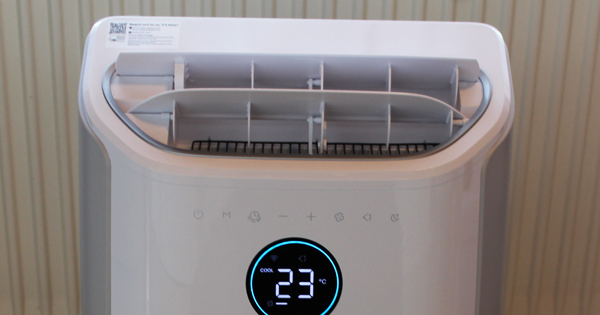
Heute testen wir die mobile Klimaanlage Dreo AC516S, die für Räume von bis zu 40 m² geeignet ist. Das Gerät kann nicht nur kühlen, sondern beispielsweise auch die Luft entfeuchten. Mehr dazu im Test.
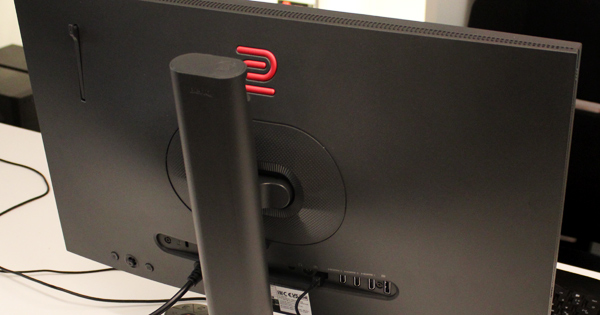
Mit dem ZOWIE XL2586X+ hat BenQ einen extravaganten Gaming-Monitor im Portfolio. Der 24,1 Zoll große Monitor verfügt über ein 600 Hz schnelles TN-Panel und spricht damit vor allem E-Sport-Profis an.
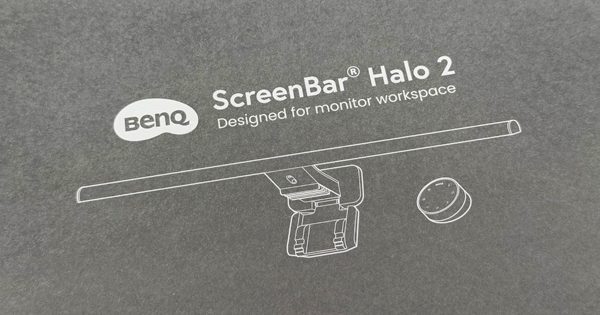
Mit der ScreenBar Halo 2 bringt BenQ die zweite Generation seiner Arbeitsplatz- und Monitor-Beleuchtung auf den Markt. Wir durften uns im Alltag einen Eindruck von der Halo 2 und ihren vielfältigen Möglichkeiten machen.